Research & Rabbit Holes: Fifty Bad Dead People
By Morgan and Amy
When History Refuses to Sit Still
One of the things we talk about a lot on The Activity Continues is how often the scariest part of The Dead Files isn’t always the spirits—it’s the research.
In “Satan’s Revenge”, the investigation takes us to rural Michigan, where a family is experiencing some of the most intense paranormal activity we’ve ever covered. Shadow figures. Physical injuries. Nightmares. A basement seemingly packed with hostile energy.
But once Steve starts digging into the property’s past, things get… complicated.
And not in a clean, “here’s your answer” way.
When the Records Don’t Agree
This case is a perfect example of how historical research rarely moves in a straight line. Names change spelling. People disappear from records. Relationships blur. Documents contradict each other.
We see this again and again with the Peek (or Peak) family and associated names tied to the property:
Lafayette Peek
Theodore Peek
Even the spelling variations matter, because one small change can send a researcher down an entirely different path. Add to that overlapping land ownership, estate disputes, and incomplete documentation, and suddenly you’re left with a history that refuses to resolve neatly.
That’s not bad research. That’s just history being history.
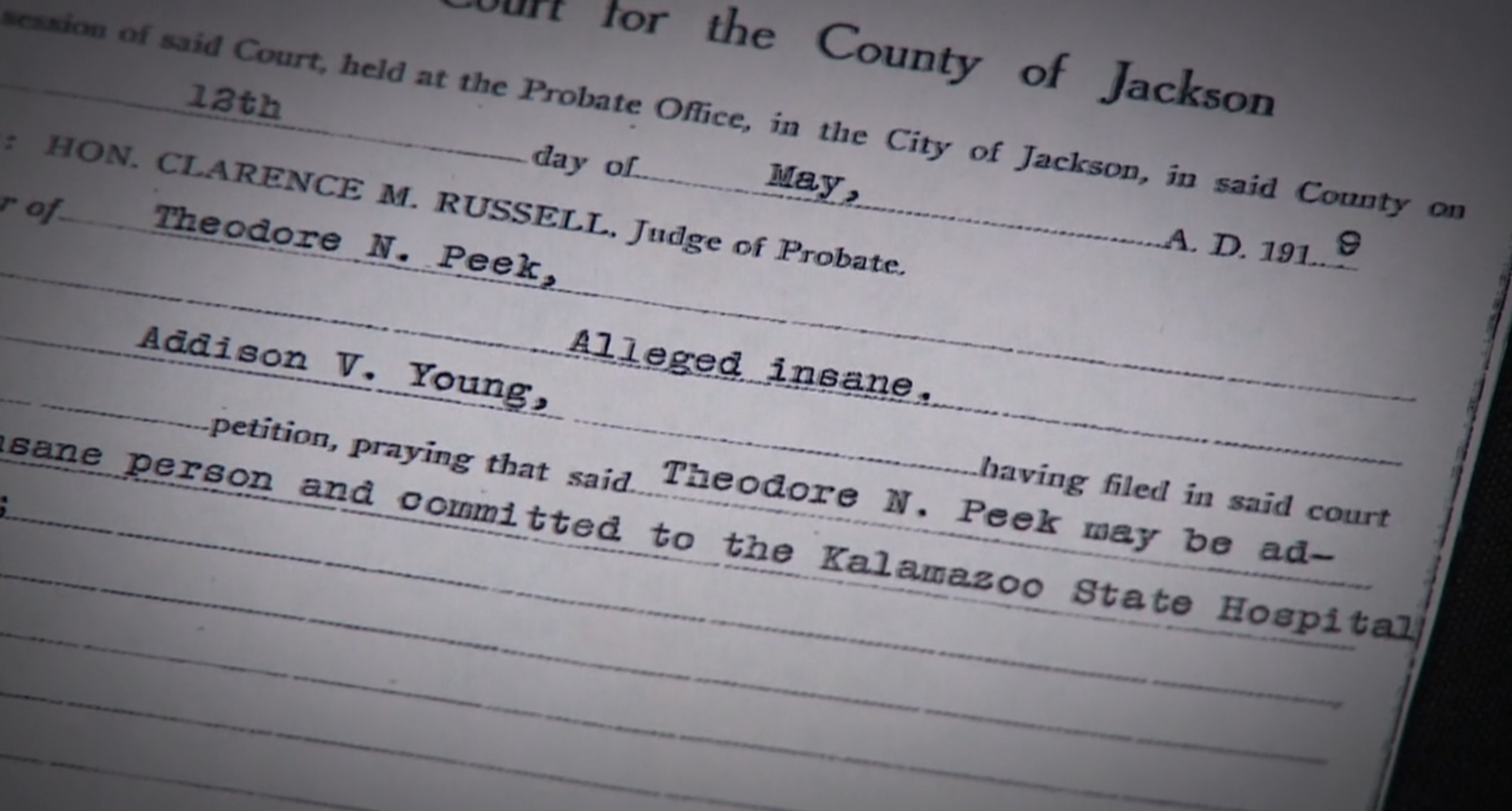
For example, in the show we were told that Theodore Peek's daughter tried to have him committed. But the paperwork shows was filed by someone named Addison V Young (who is NOT his daughter)
The Legal and Emotional Weight of Estates
One of the more unsettling rabbit holes in this episode involves legal disputes over property and inheritance. When land, money, and family relationships collide, resentment doesn’t just linger—it hardens.
Steve’s research uncovers stories of conflict, bitterness, and unresolved legal battles tied to estates. These aren’t just footnotes. In Dead Files logic, emotional intensity matters. Long-standing anger, betrayal, or injustice often becomes part of the energy left behind.
Here's a screenshot of the letter that Rosa Whitney (nee Stitt) wrote to contest the will of her father John Stitt. 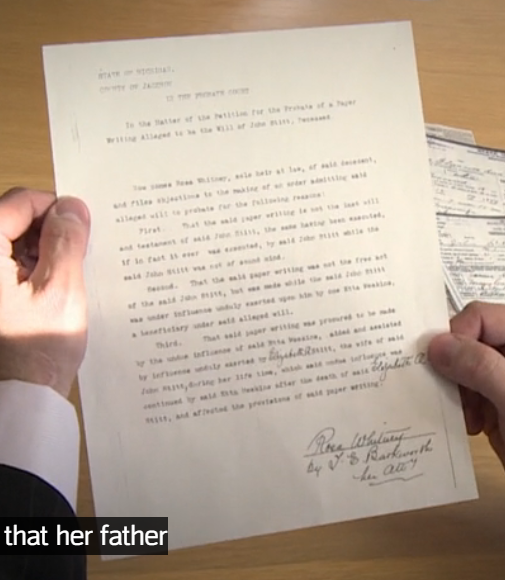
If you looks closely you'll see two weird things...
- Etta's name here is Meekins - but the historian called her Mecklin, and the newspapers called her Micklen.
- Rosa's stepmother, Elizabeth was named in the letter but it appears her name was added later, as it was handwritten into the document. Twice! Did Rosa not even know the name of her step mother? Or was she just not sure what name to use? The newspapers say Elizabeth was known as "Bay".
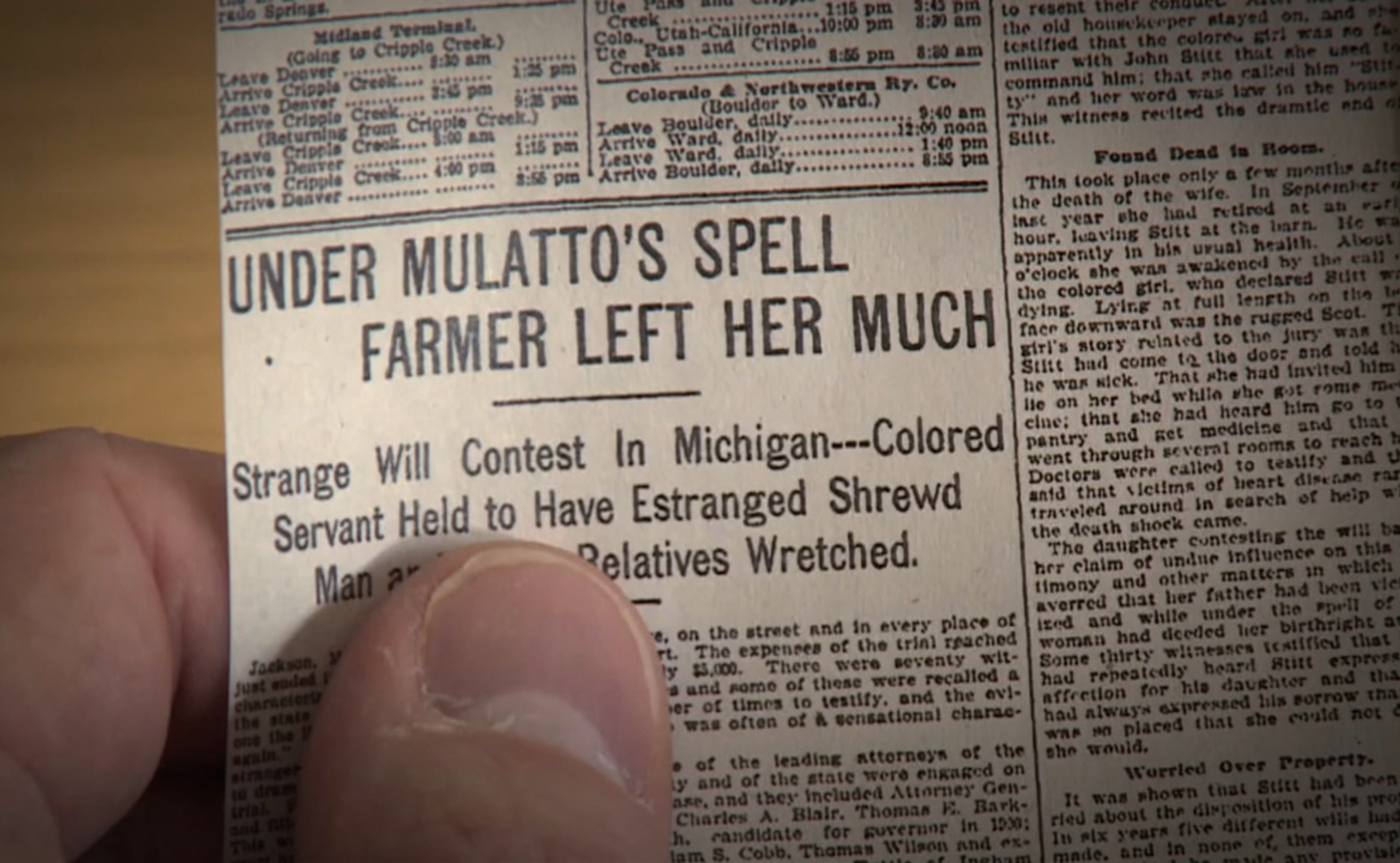
Then there's the article, why is Steve covering half of it with his big ol' thumb? We really wanted to read it!
Whether you believe in spirits or not, it’s impossible to ignore how deeply these conflicts shaped the lives of the people involved—and how they may have shaped the space itself.
When Names Don’t Line Up, But Patterns Do
We also run into familiar frustrations: multiple spellings for the same person, census inconsistencies, and timelines that don’t quite align. Figures like:
John Stitt / Maria Stitt
Rosa Stitt Whitney
Elizabeth Blackmore
Etta Meekins (or Mecklin… or Micklen)
These discrepancies can feel maddening, especially when you’re trying to draw a clean line from past to present. But patterns still emerge.
And those patterns matter more than perfection.
Repeated trauma. Exploitation. Power imbalances. Emotional harm. These themes show up regardless of how tidy the paperwork is.
Trauma Doesn’t Stay in the Past
One of the most important discussions in this episode is the intersection of trauma and the paranormal. A psychologist consulted during the investigation raises the possibility that PTSD, nightmares, and shared experiences could be psychological in nature.
It’s a fair question. And one we don’t dismiss.
But what makes this case so compelling is that the research doesn’t neatly explain away the physical injuries, the accidents, or the sheer volume of negative experiences tied to the property.
The psychological explanation helps contextualize—but it doesn’t fully account for what’s happening.
Why This Case Sticks With Us
This episode doesn’t give us a single villain or a tidy resolution. Instead, it leaves us with layers:
Complicated family histories
Incomplete and conflicting records
Trauma that spans generations
A location carrying far more weight than it should
And somehow, all of it converges in one basement.
Whether you see this as a paranormal infestation, a perfect storm of unresolved trauma, or something in between, “Satan’s Revenge” reminds us why Research & Rabbit Holes exists in the first place.
Because sometimes the truth isn’t hiding—it’s just tangled. Is that what's happening here?
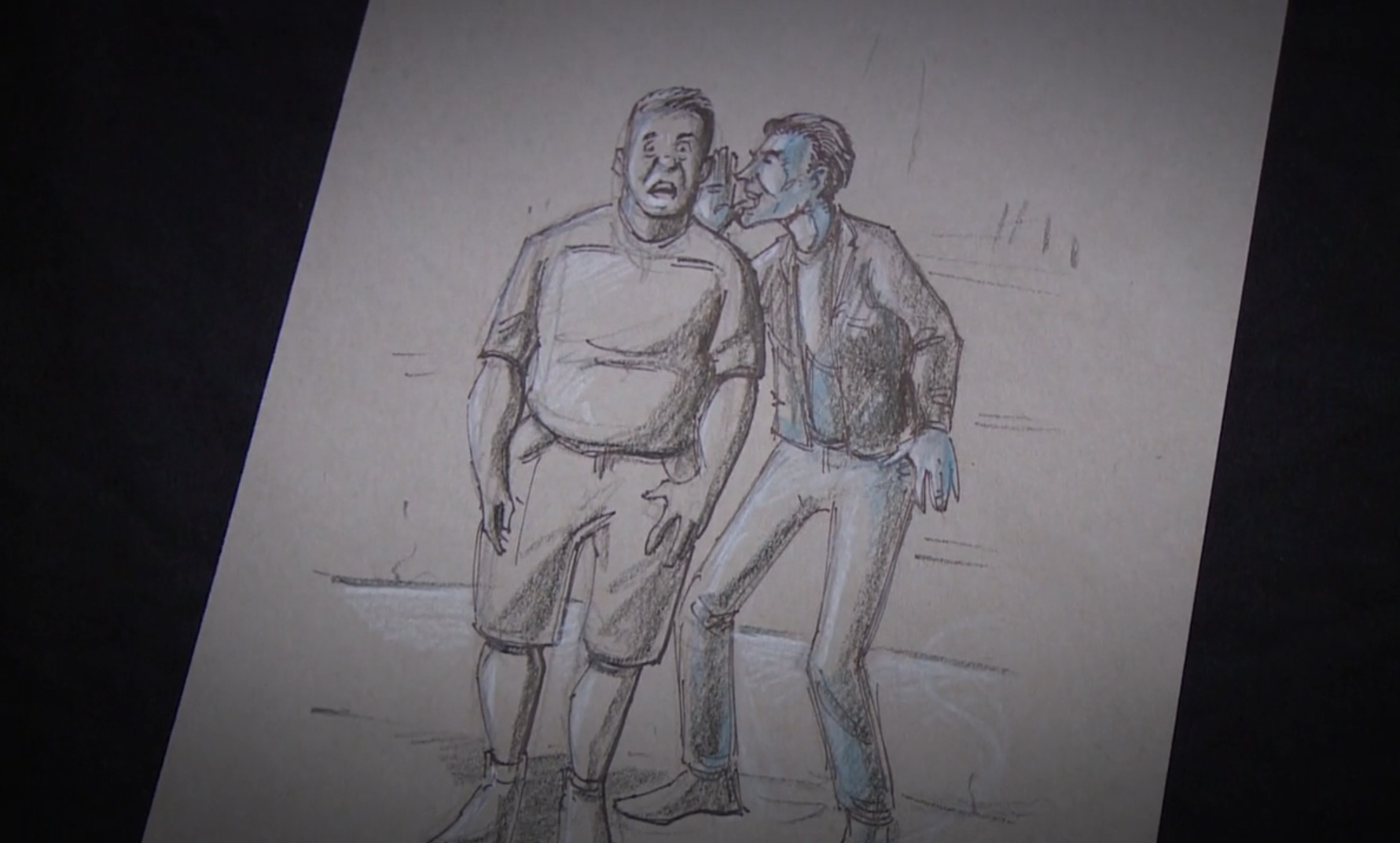
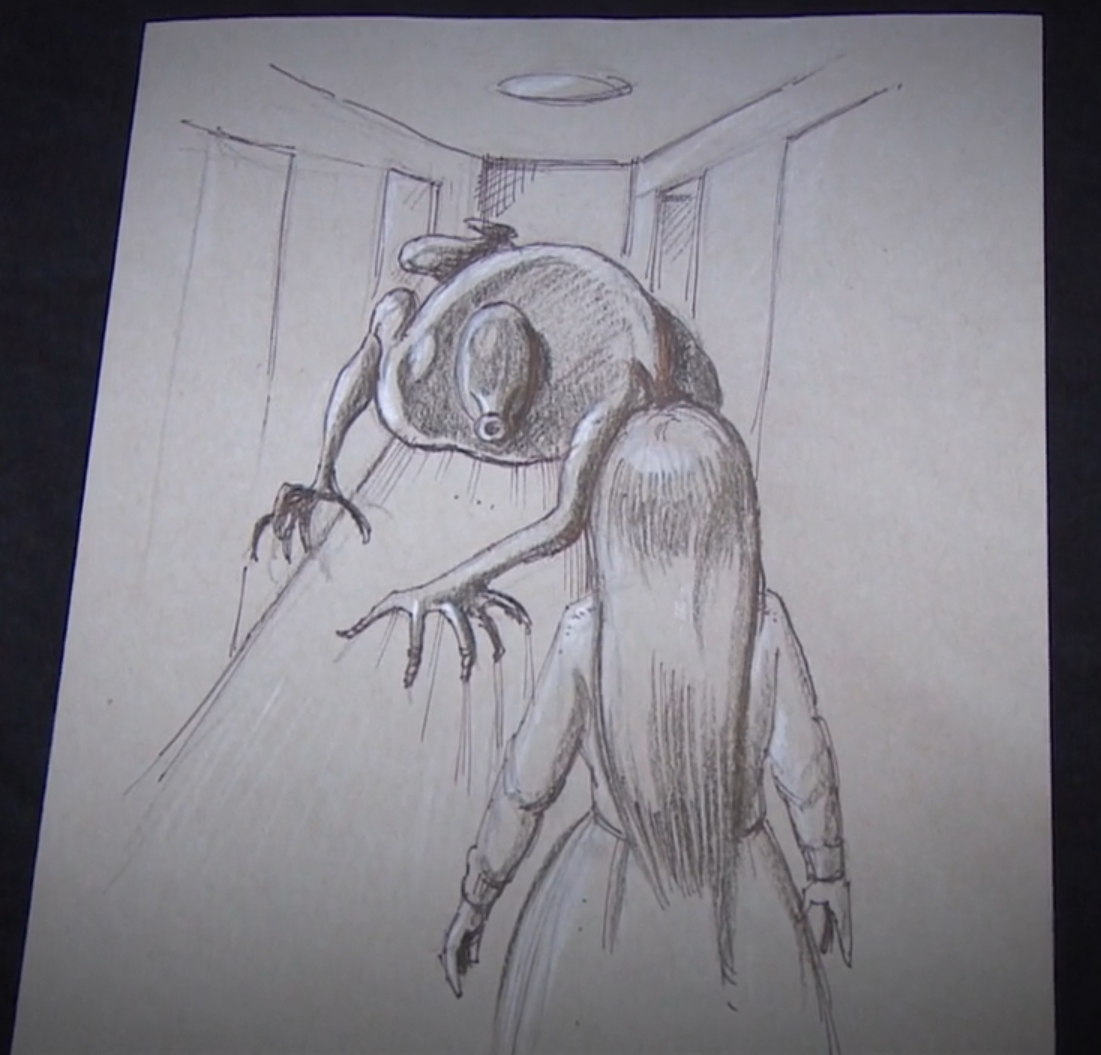
Also here are the sketches:

Creator, Producer, and Host
I am the owner of Collected Sounds Media, LLC. Which is the company behind the Collected Sounds Podcast Network. I produce all the podcasts in the network and am available to produce yours as well!
I love all things true crime, and paranormal as well as anything animal/pet related. I have a bunch of dogs and a skeptic husband as well.
Diggin’ Tru Demon War: Bat Faces & Baby Bellies